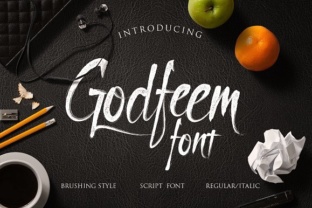
Godfeem: A Brush Script Font for Dynamic Web Design
When selecting the right Fonts for a digital project, finding a Script Handwritten typeface that balances personality with legibility is often the biggest challenge for modern creators. Godfeem enters this space as a distinctive brush handwriting style font that offers the unique and fun character traits necessary to break through the noise of standard web typography. For UI designers and brand strategists, this typeface is not just about aesthetics; it is a tool for establishing an immediate emotional connection with site visitors while maintaining the professional polish required for high-converting landing pages and online stores.
Elevating Hero Sections with Godfeem Brush Typography
In the critical first few seconds of a user's journey, the hero section of a website must communicate brand tone instantly, and Godfeem serves as an ideal candidate for these high-impact headers. Because Godfeem is a font that uses a brush handwriting style, it brings an organic, human touch to digital interfaces that rigid sans-serif fonts often lack. When used in large display sizes on landing pages, the unique strokes of this Script Handwritten asset create a visual hierarchy that draws the eye directly to the value proposition. The "fun" nature of the characters suggests creativity and approachability, making it perfect for coaching websites, creative portfolios, or boutique e-commerce brands that want to distance themselves from corporate sterility. However, usability remains paramount; when deploying Godfeem in hero titles, ensure sufficient contrast against background images and avoid using it for paragraphs of text where readability might suffer on smaller mobile screens.
Optimizing Call-to-Action Buttons and Conversion Elements
Beyond static headers, Fonts play a pivotal role in guiding user behavior toward conversion points, and the energetic vibe of Godfeem can significantly boost click-through rates on specific elements. While body copy should generally remain in a clean sans-serif or serif font for maximum scanning efficiency, using Godfeem for short call-to-action phrases or button labels can add a layer of urgency and personality. The italic characters included in the package offer an additional dynamic; slanted text naturally implies motion and forward momentum, which psychologically encourages users to take the next step. Whether designing a "Buy Now" badge for an online store or a "Join Waitlist" header for a SaaS product, the distinctiveness of this Script Handwritten style ensures these elements stand out without requiring heavy graphical overlays. Designers should test these applications across devices to ensure the brush strokes remain crisp and do not blur on low-resolution displays.
Building Consistent Brand Identity Across Digital Channels
A cohesive online identity relies on the consistent application of visual assets, and Godfeem provides the versatility needed to unify a brand across various digital touchpoints. Since Godfeem contains two formats OTF TTF, it integrates seamlessly into both desktop design workflows like Figma or Adobe XD and final web deployment environments. This flexibility allows designers to use the same typeface for social media graphics, email newsletter headers, and website banners, creating a recognizable pattern that builds brand trust over time. The unique character shapes act as a visual signature; just as a logo identifies a company, the specific flair of this Script Handwritten font becomes synonymous with the brand's voice. For digital product creators selling courses or templates, embedding this font style into promotional materials creates a premium feel that justifies higher price points by signaling attention to detail and artistic intent.
Strategic Font Pairing for Modern Web Layouts
To maximize the effectiveness of Godfeem in complex layouts, understanding how to pair it with complementary Fonts is essential for maintaining visual balance. A common mistake in web design is overwhelming the user with too many decorative elements; therefore, Godfeem works best when paired with a neutral, geometric sans-serif for body text and a sturdy serif for subheadings. This combination leverages the "fun" and "unique" attributes of the brush script for emphasis while relying on the partner fonts for structural stability and long-form readability. For editorial-style blogs or magazine layouts, pairing this Script Handwritten typeface with a high-contrast serif can evoke a sophisticated, artisanal mood. Conversely, for tech-forward startups wanting to appear friendly, combining it with a modern, rounded sans-serif creates a welcoming yet innovative atmosphere. The key is to let Godfeem shine in short bursts—titles, pull quotes, and accents—while letting the supporting typography handle the heavy lifting of information delivery.
Technical Implementation and Licensing for Commercial Projects
For professional web designers and agency owners, the technical specifications and licensing terms of a typeface are just as important as its visual appeal. Godfeem addresses these needs by providing both OTF and TTF formats, ensuring compatibility with virtually all operating systems and web font conversion tools. When implementing this Script Handwritten font on a live website, it is crucial to convert the files to WOFF or WOFF2 formats to optimize loading speeds and prevent layout shifts that could harm SEO rankings. Furthermore, understanding the licensing scope is vital; whether you are building a client's e-commerce site, a personal portfolio, or a digital template for resale, you must secure the appropriate commercial license. This ensures that your use of Godfeem in logos, app interfaces, and marketing materials is legally protected. By choosing a font that offers both aesthetic uniqueness and technical reliability, designers can deliver robust, brand-focused web experiences that perform well across all devices and browsers.